

Wake Forest sits at an interesting intersection. Its historic downtown core carries the character of an older North Carolina town, with crawl space homes, mature trees, and decades of landscaping layered against foundations. Just beyond that core, Wake Forest is one of the fastest-growing communities in northern Wake County, with new subdivisions rising on cleared land along the US-1 corridor. These two very different housing environments share one common reality: both face meaningful and consistent termite pressure.
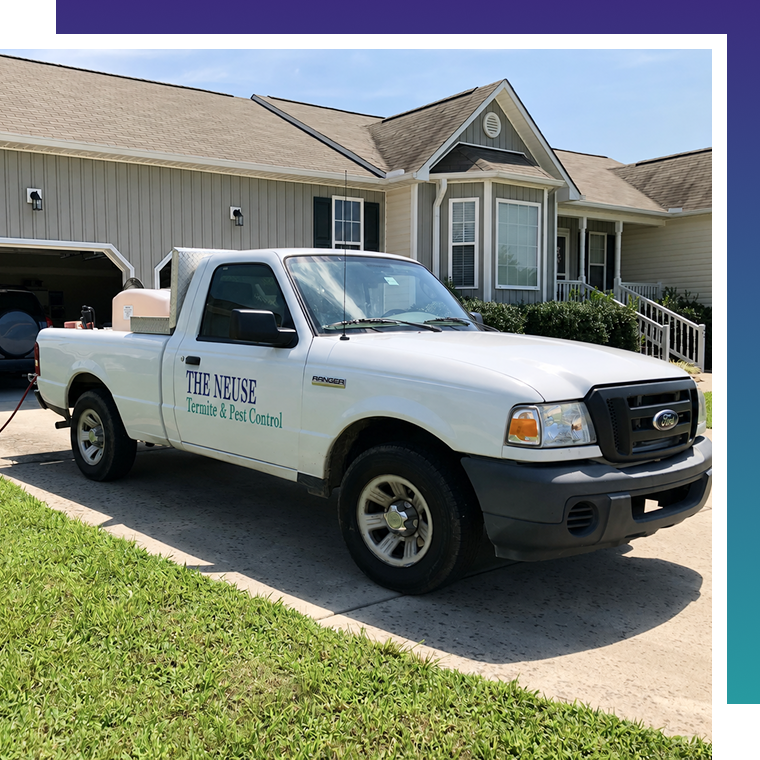
Neuse Termite and Pest Control serves Wake Forest with professional liquid termite treatment and inspection services, backed by more than 320 years of combined experience, a 5-star rating from over 2,000 customers, and a $1,000,000 damage repair guarantee that holds up where most warranties fall short.
Termite Risk in Wake Forest: Two Distinct Profiles
Wake Forest's housing landscape creates two distinct termite risk profiles, and understanding yours helps frame the right protective approach.
Older Established Neighborhoods
Homes in and around Wake Forest's historic core often share several characteristics that elevate termite risk:
- Crawl space foundations with older construction standards that may include wood-to-soil contact
- Mature trees and root systems creating moist soil corridors close to the structure
- Decades of accumulated mulch and organic landscaping material around the foundation
- Limited crawl space airflow that keeps humidity elevated year-round
For these homes, termite colonies may have had years to establish nearby without detection. The absence of visible signs is not the same as the absence of activity.